
Last time we explored the seats in the Ouseburn valley which inspired one of the locations in my first novel, Addled: Adventures of a Reluctant Mystic. The novel is set where I live and it’s a great place, full of nature, animals, art and artist’s studios, and lots of pubs. Plus a community farm in the centre of Newcastle.

The farm is at the heart of the Ouseburn valley where the river Ouse runs into the Tyne. It sits under the shadow of the three bridges that cross the valley: the railway viaduct built in 1839, the brick road bridge built in 1878, and the modern metro bridge built in 1979.
As a working farm, it was created in the 1970s by parents from Byker who wanted their children to learn how to grow their own food and care for animals. The farm still does that work now, teaching kids about where food comes from and how to care for the natural environment. There’s a working farmyard, plus a garden and café, where you can eat food grown at the farm, and you can buy produce like eggs and veg too.
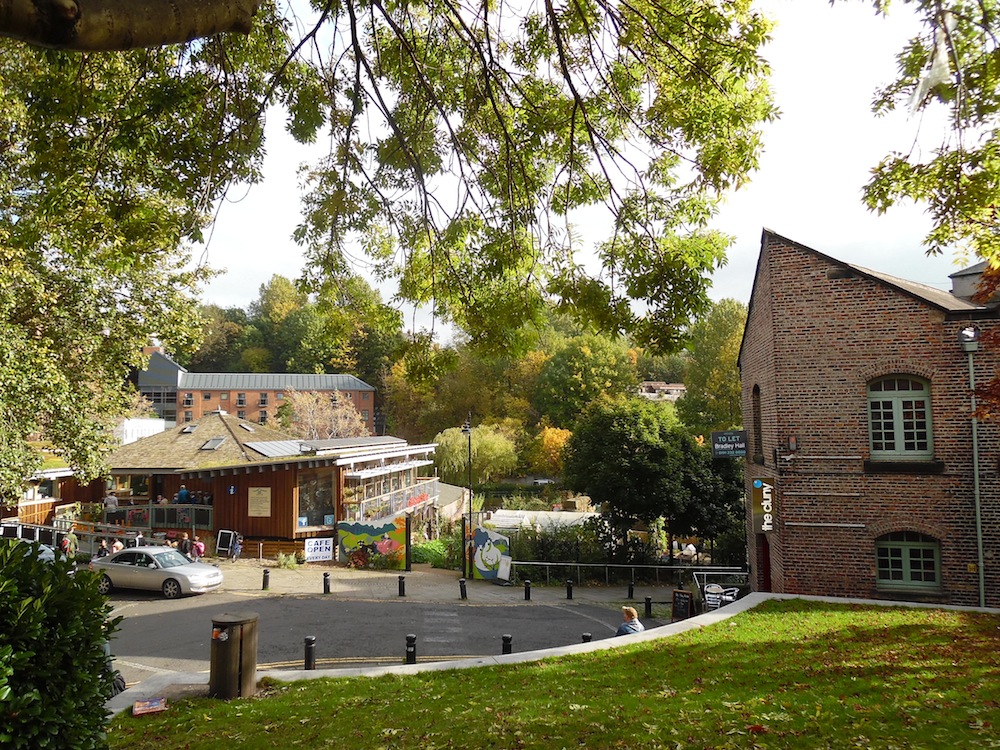

In Addled, Zoe Popper moves into the area and from her window, she can see across the valley:
“…to the scrap metal yard hidden behind the old flour mill, now called The Cluny and home to artists and creative types. To the left was the huge brick chimney of the old forge, and behind that, the farm with its grass roof and solar panels, and beyond to the three bridges: brick, iron and concrete. The whole area was an evolving time capsule, an oasis of animals and art in the centre of town.”
Ouseburn was the hub of the industrial revolution in Newcastle and home to heavy industries from the 17th century. The river Ouse was used to transport coal, brought via the Victoria Tunnel by horse and cart and loaded onto keels and barges and then taken down to the Tyne. The area was filled with mills and factories and abattoirs and glass making, with people living and working in squalor, as Zoe describes it in Addled:
“It started out agricultural, outside the walls of the city, then the industrial revolution happened and it was all barges and slums and shitting in a bucket, and now it’s gone creative.”
It wasn’t a smooth transition from industrial hellscape to creative wonderland. The river fell into disuse and became a dumping ground and was an open sewer until the 70s. Enter the parents from Byker and the birth of the farm. But before they could grow anything, the land had to be healed.
The farm is located on the site of the Northumberland Lead Works, and includes an old wall from the works with a plaque dated 1871. The works manufactured white lead which was used in paints, cosmetics and medicines – and is highly toxic. The works closed in the 1960s and the land remained contaminated with lead for many years.
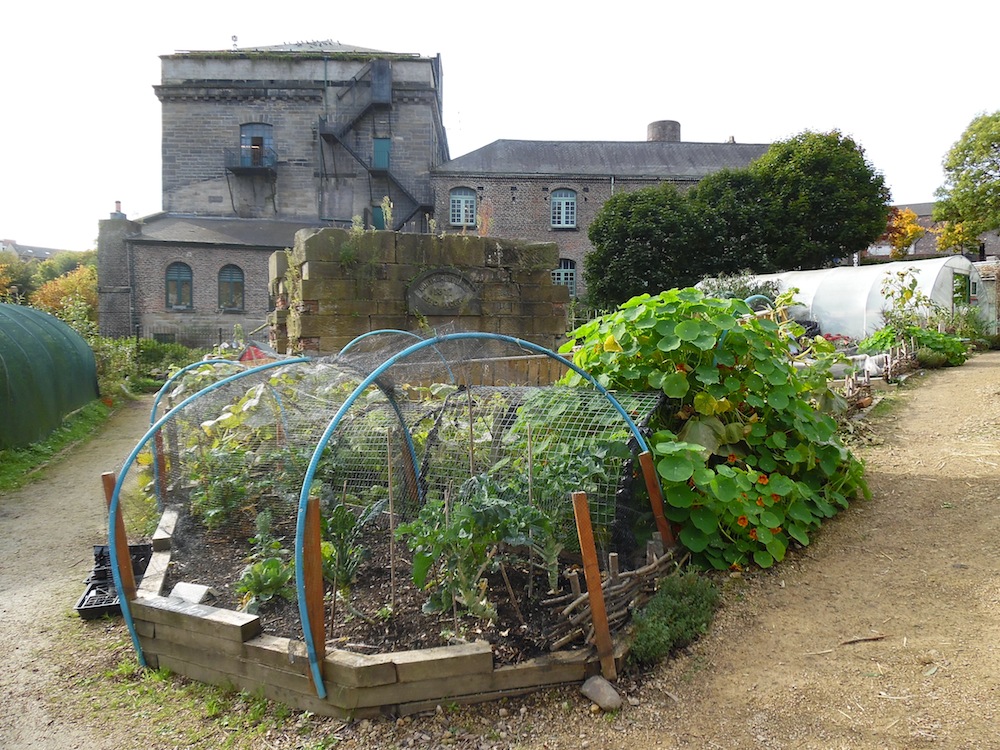

In the 1970s, the council imported tons of sterile topsoil and added it to the land. However, shortly after I moved into the area in 2000, the farm was closed for a time because they found traces of lead in the soil. The animals were all sent away for a holiday so the soil could be removed and replaced – properly, this time.

The farm now has sheep, goats, pigs and cows, as well as smaller creatures like guinea pigs, tortoises, geckos, and a parrot called Beavis, not to mention the ducks and swans that hang out on the river. I once encountered two ferrets who were being taken for a walk – only one of them was friendly, the other was rather grumpy!
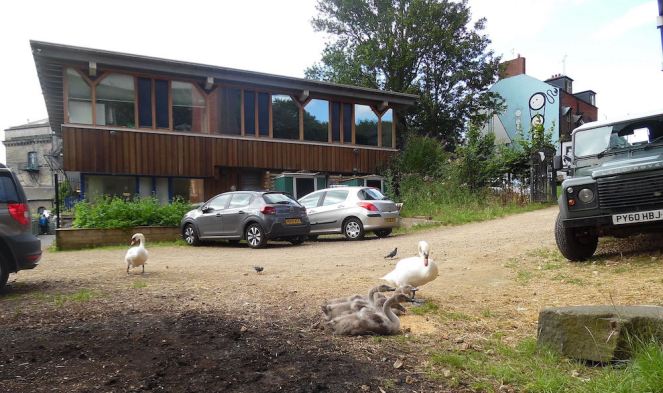
Aside from the grazing spaces dotted around the valley, they have also created an orchard and pond to help the local wildlife to flourish. You can see a map of the farm here.
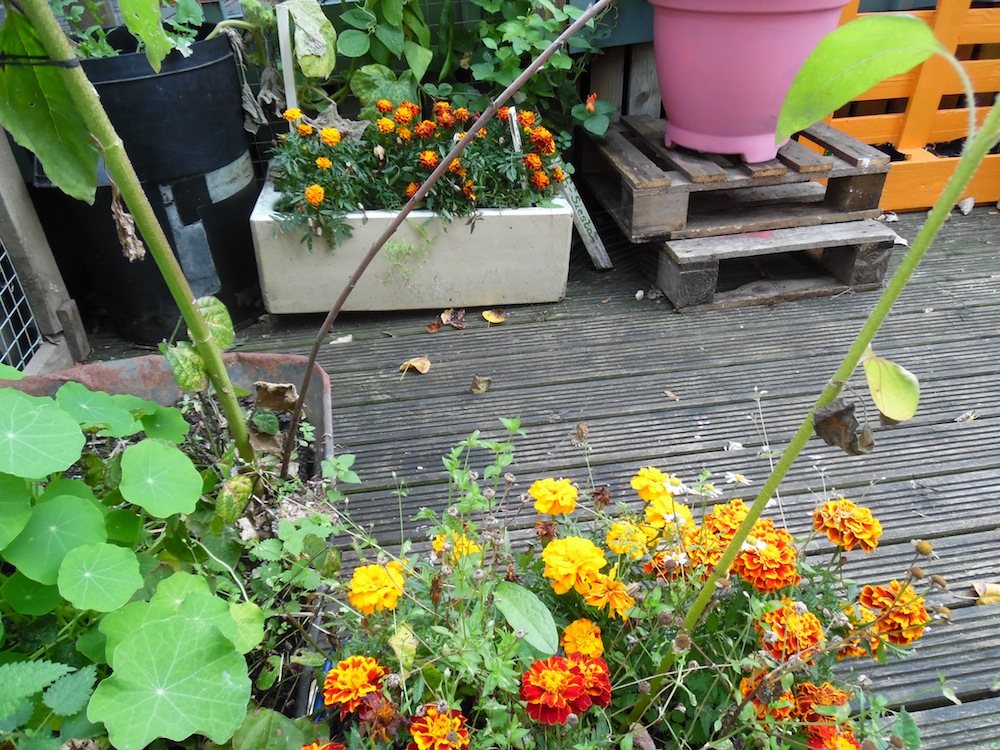
More random photos of Ouseburn farm and its animals:



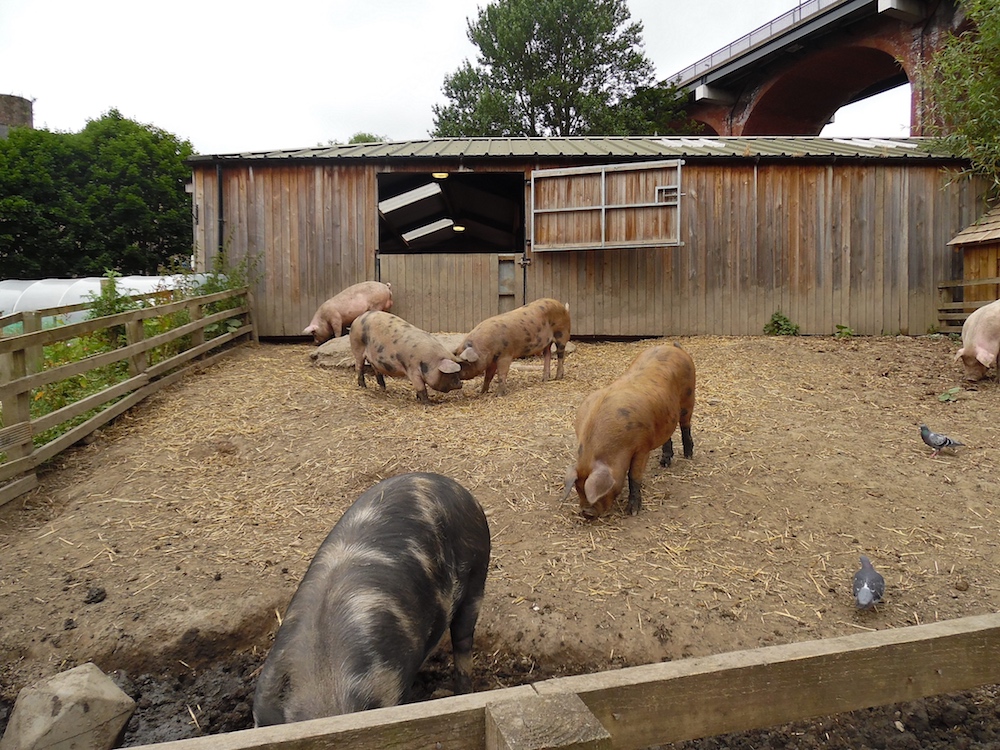
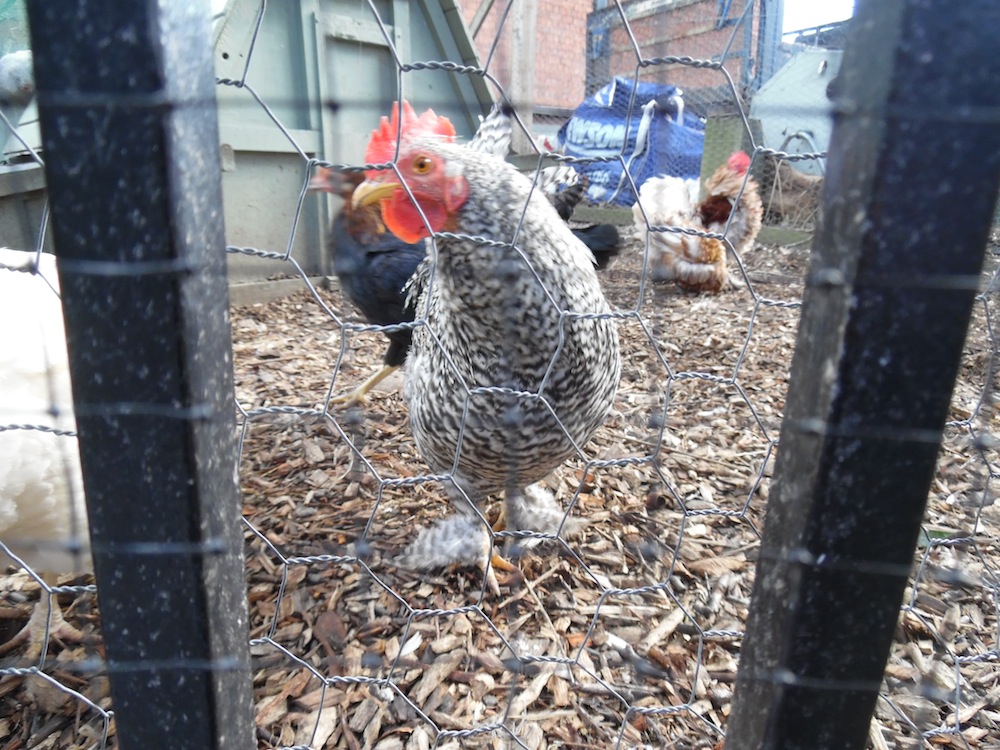


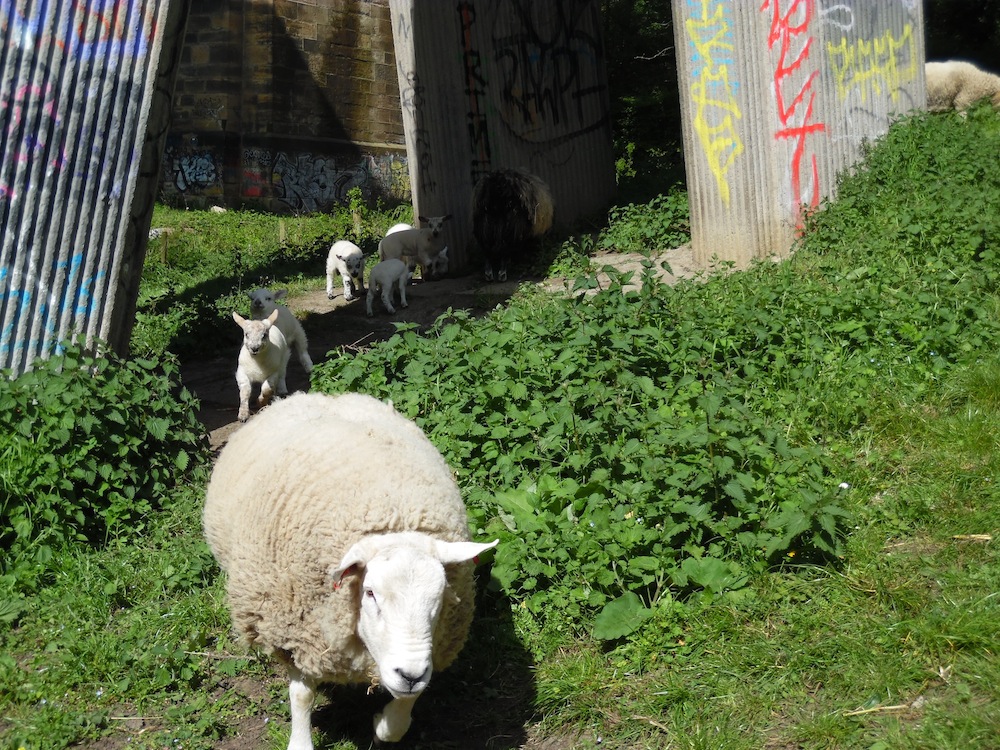
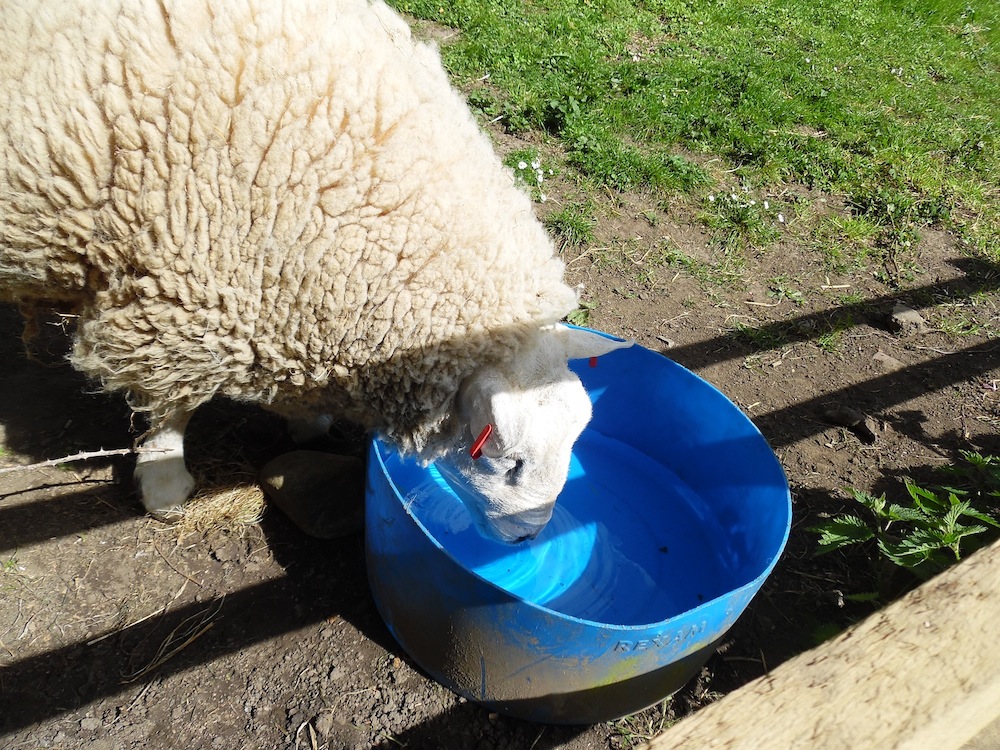
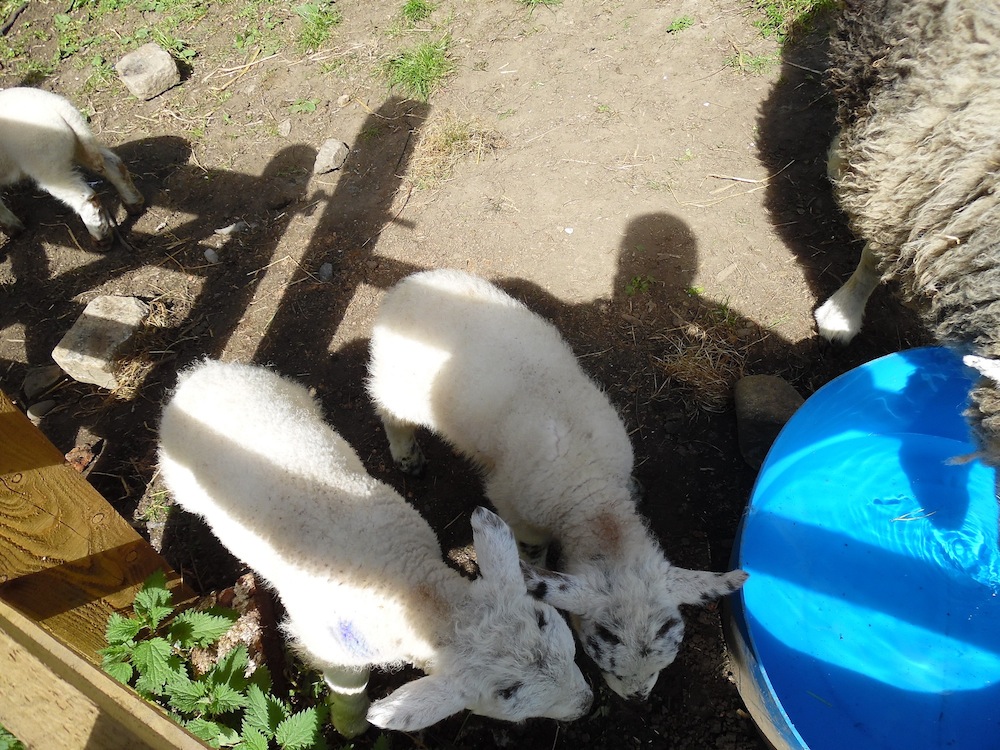

Ouseburn farm may be an example of the positive potential of Pluto in Aquarius as it captures the transformative possibilities of a genuine community that values humanity. This is part of the farm mantra from the website:
“A community-spirited place where everyone is welcomed. And valued. This is a happy place. A wholesome place. A human place.”
Find out more about Ouseburn Farm here
Thanks for reading! If you’d like to support my work, please donate below 🍵. Thanks in advance! 🙏❤️

 Jessica Davidson
That’s pretty mad about the lead contamination! I wonder if there’s some sort of mushroom/ fungus that could soon be used to neutralise soil like that, like they did at Fukoshima? Total removal is one way of doing it tho, i guess
LikeLiked by 1 person
It would’ve been about 20 years ago so maybe they didn’t know about other options then.
LikeLike
Ive been obsessed with knowing the extent and nature of the evil that is upon us ( maybe it is here to shock us into necessary Sovereign and self-organising behaviour ?) and if Pluto in Aq. is to be a major part of how we go forward then focussing on the beautiful possibilities of such an aspect seems like one of the most effective things we can do now…. I like this post – it feeds into a wholesome vision of our future. Let’s keep up on any sneaky goings on out there but put energy more into what would be amazing and thus help it to happen…….. We, the people, have got this ! cheers
LikeLiked by 2 people
i recommend michael mirdad.
LikeLiked by 1 person
HI Sabelmouse – thanks – i will investigate
LikeLike