
We’ve been exploring the meaning of Neptune in Aries and I found some notes on will and intention lurking in my drafts folder that seem relevant. Aries is ruled by Mars, the planet of action and willpower and while Neptune is there, we may be challenged to spiritualise the way we act by learning about non-action or effortless action.
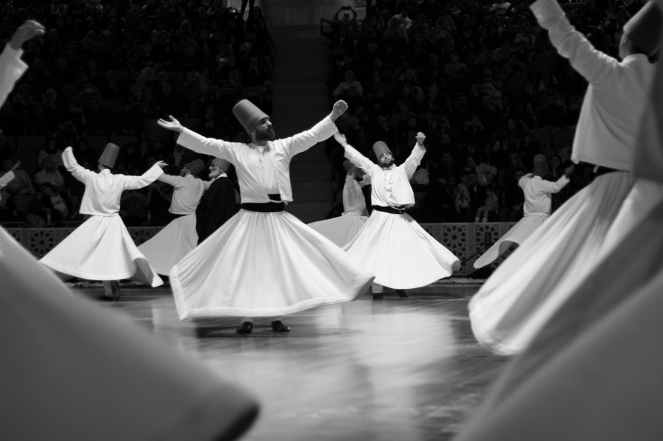
Non-action doesn’t mean doing nothing – although some of us could probably do with doing nothing for a while to escape our too-busy lives. It means acting without your meddlesome mind or ego getting in the way, without overthinking things or getting fixated on the outcome of your actions.
This isn’t the same as doing things on autopilot where you’re half-unconscious and not thinking about what you’re doing. True non-action means paying attention to what you’re doing but acting without effort.
Effortless action is called Wu Wei in Taoism, which means non-doing or non-action. It involves letting things happen rather than trying to make things happen the way you want. That means allowing yourself to align with the flow of the Tao, the natural harmony of the moment, and not arguing with reality or grasping after a particular result.
Some things become harder to do the more effort you put into them. You can make things worse for yourself by trying too hard or worrying about what you’re doing. Meditating is a good example. If you try to force your mind to be still it will react by going berserk, firing off random thoughts that make you feel even more restless.
This happens because you’re too attached to the desire for inner peace or perhaps the idea of ‘being a good meditator’, so you get in your own way. This is an example of samsaric will – a way of acting from the ego that keeps you trapped on the wheel of rebirth.
In Buddhism you deal with this by focusing on Right Thought or Right Intention, as well as Right Action and Right Effort. These are elements of the Eightfold Path that are used to guide your choices and actions in line with the dharma. The idea is to focus your intention on activities that will free you but to do them in a way that doesn’t trap you further.
This is fiendishly difficult because the act of trying to free yourself is paradoxical. You’re using the mind to free itself from the mind. You’re using effort to become effortless, as Ramana Maharshi says:
“Ceaseless practice is essential until one attains, without the least effort, that natural and primal state of mind which is free from thought, in other words, until the ‘I’, ‘my’ and ‘mine’ are completely eradicated and destroyed.”
But you can’t transcend the ego or personal self by willing it. The fact that you want to surrender gets in the way of you actually surrendering because your ego gets hold of the idea and turns it into a ‘thing to achieve’ that drives your practice.

The obvious problem with this approach is that you’re trying to become what you already are – your true Self, or Buddha nature, at one with the divine. But that doesn’t mean you can just let go and ‘be’ and not try to awaken. Doing this is usually a form of spiritual bypassing where you fool yourself that you’re awake when you’re really just surrendering to your lowest ego drives and unconscious complexes.
Yes, in a sense, you’re already enlightened but you’re not a master. You don’t have mastery over your mind or lower self. If you don’t consciously choose to change your behaviour away from bad habits then how will they change? If you don’t choose to practice towards mastering your mind, how will you ever realise your true nature?
For example, if you want to learn to play the piano, you can’t do it without some effort and will. You could sit down to play but if you don’t try, you’re not going to be able to do it, at least not well. To play well you need to learn some technique and that takes practice.
It’s the same with the mind. If you want to meditate to create a more positive mental atmosphere for yourself, then you have to choose to do it – it won’t happen of its own accord. But once you sit down to meditate, you need to not try to calm or clear your mind – that’s where the effortlessness comes in.
Just like with learning the piano, once you’ve learnt the meditation techniques and practised and practised and practised, and then practised some more, it will become effortless. That’s how you gain mastery over your mind.
Most of us need to go through a long process of practising and failing and practising and failing. Eventually you fall into effortless action without trying. In fact, I’ve only ever managed Wu Wei by accident, often when playing the piano or flute when I was younger – also called the flow state or entering the zone.
Once you’ve gained mastery then you can see that there’s no will and no self. There’s no self who is choosing or taking action. But you have to go through the process of developing the will as a tool until you’re ready to let it go – or put it back in the tool box.
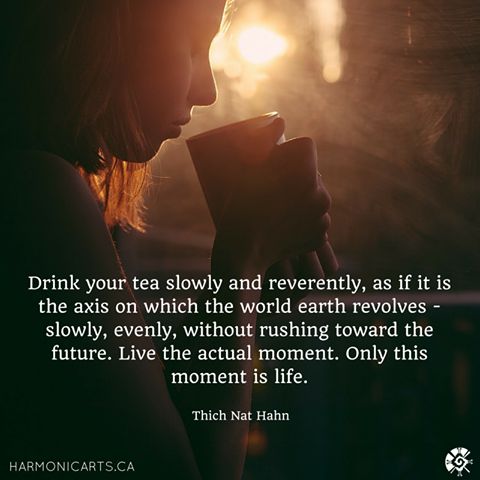
The ideal is to act out of selflessness, from the true Self rather than the ego, as in Karma Yoga. Every action that you take will produce karma, whether positive or negative. This is true unless you act from the Self and dedicate the fruits of your actions to a higher purpose or the divine. Literally everything you do can be dedicated in this way – even drinking tea.
This is why you’re encouraged to dedicate your meditation practice to the good of all sentient beings because you’re not really doing it for yourself – you’re doing it for the divine.
“We do not possess an ego. We are possessed by the idea of one.” – Wei Wu Wei
I practise meditation so that I don’t have to practice, so I can move beyond the false self and just live. I practise to bring an end to the war within myself and find inner peace. But for this to work I must practice as an expression of what I already am, not a state I’m trying to achieve.
Who I am is there underneath the wild thoughts and compulsive emotions – the stuff that isn’t me and isn’t true. I practise to remember the truth and return to sanity and stillness. All I have to give up are my illusions.
The trouble is, you can be very attached to those illusions even when they make you, and other people, miserable. And that’s why you need to practice. Eventually, you can give up the practice too. Or the practice becomes something else: simply an expression of your life being lived as it is – effortlessly and selflessly.
The point of spiritual practice is to get out of your own way so that life (or God) can act through you without you sticking your oar (ego) in and messing everything up.
Not many of us are capable of doing that and it’s easy to fool yourself about your motives. You can believe that you’re being selfless and then later find out you were more attached to something than you thought. It’s a long, long, long process of growth, which is why I don’t know any saints!
Next time we’ll explore exactly how you can overcome the false self. But in the meantime, enjoy the Effortless Action of Crouching Tiger, Hidden Dragon…
Images: Dervishes; Owen Comics
Thanks for reading! If you enjoy this blog and would like to support my work, please donate below 🍵. Thanks in advance! 🙏❤️

 Jessica Davidson
One thought on “Neptune in Aries and the Challenge of Non-Action”