
Read the new & improved version of this post: The Eightfold Path: Right Speech
Nirvana is Sanskrit and means to be extinguished or to blow out (as in blowing out a candle). It’s often interpreted to mean blowing out the flame of illusion, or the self. In Pali nirvana is spelt nibbana. Hinduism and Jainism also talk of nirvana as the state of moksha. Nirvana means freedom from suffering.… Continue reading Spiritual Glossary: Nirvana
Satori is the Japanese term used in Zen Buddhism to refer to awakening and the realisation of the true nature of the self, or Buddha nature. It is sometimes also called Kensho, where ken means ‘seeing’ and sho means ‘nature’ or ‘essence’. Kensho is generally understood to be your first experience of realisation and is often a tiny glimpse of Buddha… Continue reading Spiritual Glossary: Satori
Buddha nature is your true nature. This may be hard to believe at times, but even a tiny glimpse of reality during awakening will reveal the truth of it. Enlightenment reveals the true nature of all beings as Buddha nature. It’s also called Buddha-dhātu, which means ‘Buddha Element’ or ‘Buddha Principle.’ This is the seed… Continue reading Spiritual Glossary: Buddha Nature
“To make hell into paradise, we need only change the mind on which it is based…” Classic and essential, The Heart of the Buddha’s Teaching provides everything you need to study the dharma. The subtitle reads: “Transforming suffering into peace, joy and liberation.” In the book, Thich Nhat Hanh explains the basic teachings in a clear and… Continue reading The Heart of the Buddha’s Teaching: Book Review
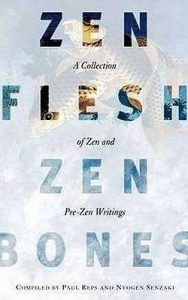
Zen Flesh, Zen Bones is a collection of stories, parables and utterances designed to inspire and teach the dharma. The stories were collected together by Paul Reps who says of the book: “Old Zen was so fresh it became treasured and remembered. Here are fragments of its skin, flesh, bones, but not its marrow –… Continue reading Zen Flesh, Zen Bones: Book Review
The Marks of Existence are the characteristics shared by all beings and are the basic facts of life: anicca (impermanence) anatta (non-self) dukkha (suffering) Impermanence Everything that exists is impermanent. All things are in a constant state of change, even things which seem fairly solid and immovable, like a mountain. Entropy is a fact of… Continue reading Spiritual Glossary: Three Marks of Existence
The Three Jewels of Buddhism are also known as the Three Refuges because when you commit to a spiritual practice you can take what’s called the Refuge Vow. This is where you take refuge in the Three Jewels to support and guide you on the path of liberation from suffering. The Three Jewels are: The… Continue reading Spiritual Glossary: Three Jewels
In Buddhism, the precepts form a basic code of ethics or minimum standard of morality. There are various numbers of precepts, depending on the teaching, but the most common are the Five Precepts found in the Paramitas. They’re designed to help you achieve liberation from suffering and illusion – if you can stick to them!… Continue reading Spiritual Glossary: Buddhist Precepts


 Jessica Davidson