
Last time we explored the transit of the north node in Aquarius which runs from 27th July 2026 to 26th March 2028. This transit indicates an increase in issues associated with science, technology and AI, technocratic control and digital ID, social networks, activism and identity politics, utilitarianism, and changes to currencies and the rules governing trade and the use of data. There are also economic implications to this transit and that involves looking at the history of the nodal cycle…

The nodes are where the Moon crosses the ecliptic – the path that the Sun appears to take as we orbit around it – with the north node ascending and the south node descending. The nodes are always in opposition to each other and they take about 18.6 years to complete one cycle of the zodiac moving in retrograde motion – or precessing through the signs.
In 1937 Louise McWhirter published her book on financial astrology – Astrology and Stock Market Forecasting – which identified a correlation between the 18.6-year nodal cycle and the US business cycle and prices on the New York stock exchange. The high point in the cycle tends to be when the north node is in Leo and the low point when it’s in Aquarius:
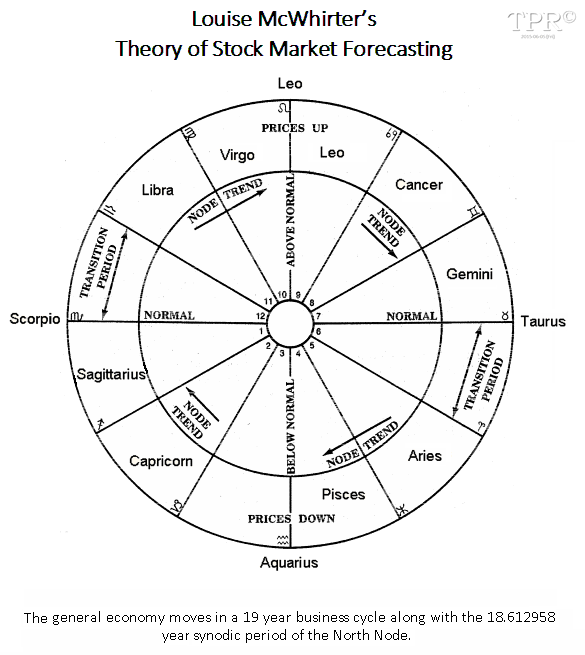
When the north node is in Leo, we see rising confidence and optimism that triggers speculative bubbles. By the time the node reaches Aquarius about 9 years later the market contracts and we see periods of crisis and reform. However, it’s not precise and there are other aspects that can distort the basic pattern, including aspects to the nodes and between the major planets.
Factors that lift the business curve include:
- Jupiter conjunct the north node
- Jupiter in Gemini or Cancer
- Jupiter conjunct, sextile or trine Saturn and Uranus (when they’re in aspect to each other)
- Saturn trine, sextile, or semi-sextile Uranus
- North node in Gemini
- Favourable aspects to Pluto (i.e. sextiles and trines)
Factors that depress the business curve include:
- Saturn conjunct, square or opposite the north node
- Saturn conjunct, square, opposite, or semi-square Uranus
- Saturn in Gemini
- Uranus in Gemini
- Uranus conjunct, square or opposite the north node
- Unfavourable aspects to Pluto (i.e. conjunctions, squares or oppositions)
Positive and negative factors can balance or neutralise each other if there are enough of them, but as you can imagine, it gets quite complicated. Right now we have two favourable aspects to Pluto from Uranus and Neptune but Jupiter is also opposite Pluto. We also have Uranus in Gemini and square the nodes on the negative side, while Pluto will conjunct the north node in 2027 (while out of bounds) and Saturn will square the nodes in 2028.
You can read more on the theory here at Google Books: McWhirter Theory of Stock Market Forecasting
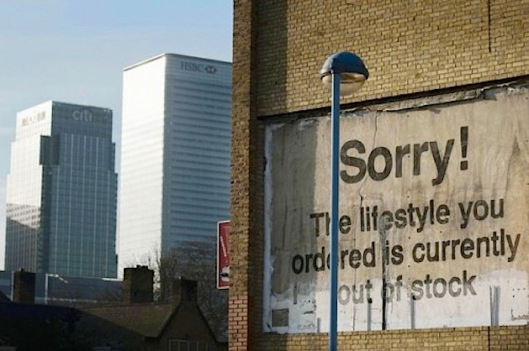
To see if this works, let’s explore the history of the north node in Aquarius and the economy. To be clear, I’m using the true node for the dates here, and the history is inevitably simplified. Other planetary alignments also influence the economy, especially those between Saturn and Uranus, Neptune, or Pluto, so I’ll mention those too:
14th December 1914 to 31st May 1916: The US Federal Reserve was founded at the end of 1913 with the north node in Pisces and the intention to stop the boom-bust cycle (they failed!). There was a financial crisis in 1914 and the US economy was in recession. The outbreak of World War I in July 1914 caused a financial panic and bank runs in the UK but the war created an economic boom over the following years.
Coincided with the Saturn Pluto conjunction in 1914-15.
24th June 1933 to 8th March 1935: The Great Depression started before this transit and ran until 1939. The Wall Street crash happened in 1929, triggering the Great Contraction which lasted until 1933, the lowest point in the Depression. Roosevelt implemented the New Deal from 1933, a series of economic and social reforms that fed into the recovery that began in 1935 when the node left Aquarius.
Coincided with the Saturn Pluto opposition just before this in 1931, and the Uranus Pluto square in 1932-34.
28th March 1952 to 9th October 1953: This period doesn’t seem to match the theory as it coincided with the economic recovery following World War II, although there was a recession in the US in 1953, and another recession after the transit ended.
Coincided with the Saturn Neptune conjunction in 1952-53, and the Saturn Pluto square in 1955-56.
2nd November 1970 to 27th April 1972: This was a period of economic stagnation that included an energy crisis and price rises. The US came off the gold standard in August 1971 making commodity prices more volatile. There was a stock market crash and recession after this transit ended.
Coincided with the Saturn Neptune opposition in 1971-72, and the Saturn Pluto square in 1973-74.
22nd May 1989 to 18th November 1990: There was an economic crash just before this in 1987 and then the Black Friday crash in October 1989 that started the early 90s recession, including inflation and rising unemployment. The Berlin Wall fell in November 1989 triggering the end of the Soviet Union, and there was an oil price shock in 1990.
Coincided with the Saturn Uranus conjunction in 1988, and the Saturn Neptune conjunction in 1989.
18th December 2007 to 21st August 2009: Another economic downturn that included rising food prices. There was a credit crunch and the subprime mortgage housing bubble burst leading to the Great Recession and widespread austerity measures – until they re-inflated the bubble and continued playing the same debt game that has now reached new highs.
Coincided with the Saturn Neptune opposition just before this in 2006-7, the Saturn Uranus opposition in 2008-10, and the Saturn Pluto square in 2009-10.

27th July 2026 to 26th March 2028: The current transit arrives in the midst of rising interest rates and prices and increasing levels of unemployment and so many economic bubbles it’s hard to know which one will pop first. The most obvious are the data centre and AI bubbles that could trigger an economic recession, what Charles Hugh Smith calls an AI Depression (worth reading).
Coincides with the Saturn Pluto square in 2028-29, reinforced by the Saturn Chiron conjunction which could increase levels of suffering and hardship. However, Pluto is supported by the trine from Uranus and sextile from Neptune in the mini triangle configuration and Jupiter will also provide positive support at times.
Overall, it’s not a rosy picture for the next few years, but as always, how this affects you will depend on where you are in the world and your personal circumstances. Martin Armstrong’s model predicts the start of the sovereign debt crisis in Europe in March 2028. But nobody will escape the consequences of ‘progress’ running up against reality.
We have to learn that technology can’t solve all our problems. Perhaps Pluto conjunct the north node in Aquarius will make this obvious when our tech delusions finally hit the wall and disintegrate.
You may want to get ahead of the curve and get used to having and spending less. Consolidate what you have and practice gratitude so you can remain positive and open to new areas of growth that may appear.
Winter is coming, but spring won’t be too far behind…
Image: Trading
Thanks for reading! If you enjoy this blog and would like to support my work, please donate below 🍵. Thanks in advance! 🙏❤️


